

Occupational Therapy
The aim of occupational therapy is to help individuals of all ages perform everyday activities, or "occupations," that are meaningful and necessary for daily living. Occupational therapists work with people who have physical, developmental, social, or emotional challenges that impact their ability to carry out daily tasks. Occupational Therapists promote health and well-being by enabling people to participate in the activities they need or want to do.
Services and Specialised Approach to Intervention
-

Mobile Therapy Services
Specializing in pediatrics and young adults, we offer therapy services at times and locations that are convenient for both the client and the therapist.
Once the intake form is completed and our service agreement is signed, we begin our therapy sessions with a brief interview, goal-setting, and information gathering to initiate the therapy intervention.
-

Functional Capacity Assessment
A comprehensive evaluation of the client's current skills, strengths, and areas of concern is conducted to determine the need for therapy and other allied health services.
This evaluation includes an interview with the client, family, or carer, observations of the client, and the use of standardised assessments. Goals will be established based on the client's presentation and relevance to their needs. Recommendations will be provided along with formal documentation, which can be used for NDIS reviews or therapy planning.
-

Parent Child Relationally Informed Early Intervention
This approach offers a break from traditional one-on-one therapy by supporting parents to grow alongside their child as they build positive and meaningful relationships. Parent coaching focuses on helping parents recognise and respond to their child’s cues, while learning to slow down interactions to give the child time to regulate, process information, and engage. Through this process, parents become more confident in understanding their child’s needs and using everyday moments to support their child’s development. The goal is to empower parents with practical strategies they can use naturally within daily routines and relationships.
-

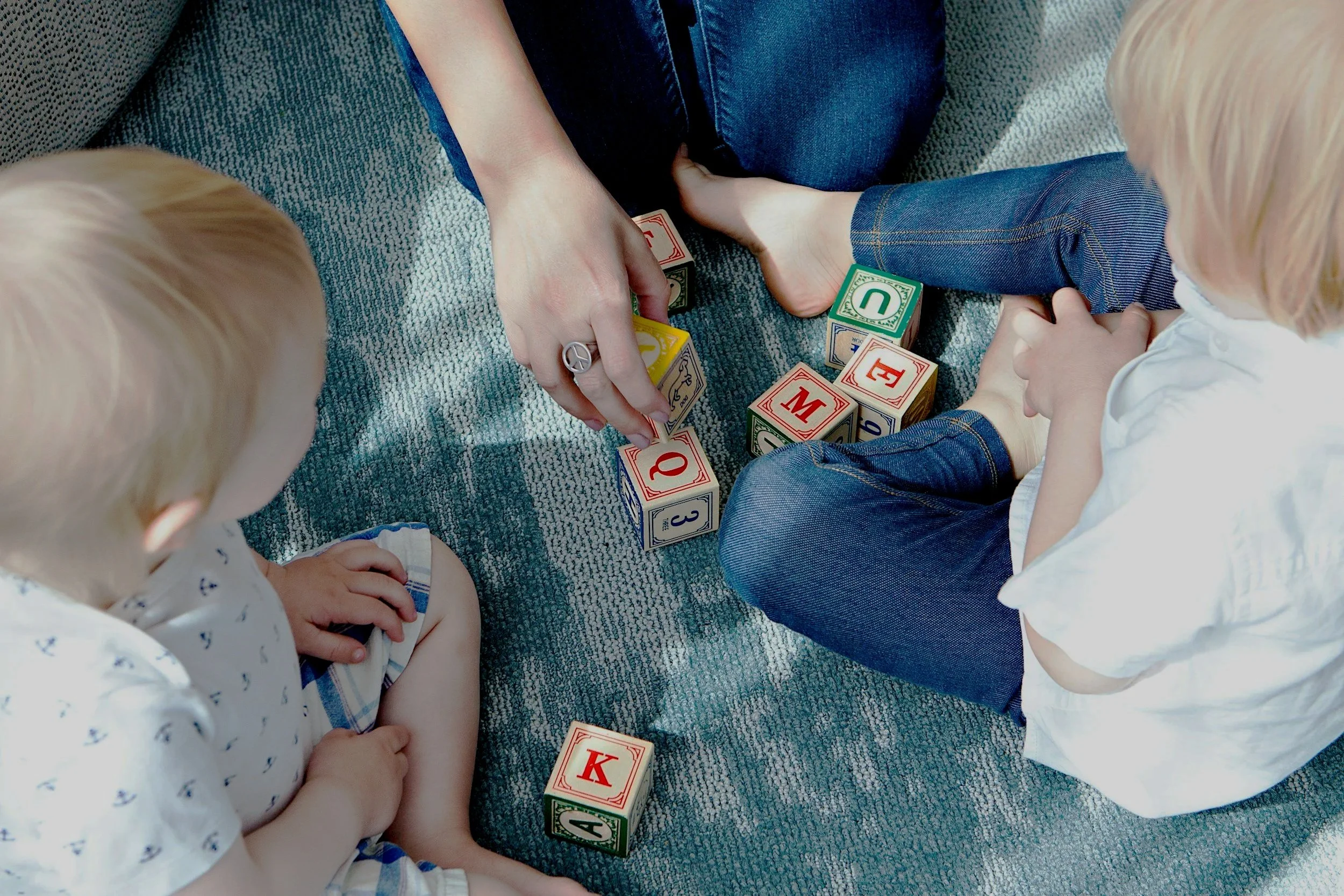
DIR/Floortime
DIR/Floortime is a evidence-based, relationship-based approach that focuses on building meaningful social interactions through play and everyday moments. It supports a child’s ability to regulate, engage, communicate, and connect with others. Over time, these positive interactions help children develop problem-solving skills, confidence, and stronger participation in daily life.