

Experienced Paediatric Occupational Therapy in Mount Druitt & Western Sydney
Supporting children, teenagers and young adults with everyday skills, confidence and independence.
Areas of expertise: Autism Spectrum Disorder, Attention Deficit Hyperactive Disorder, Developmental Delay, Sensory processing, fine motor skills, self-care skills, emotional regulation, improving school participation, and developing independence.

Occupational Therapy Intervention can focus on the following areas:
-
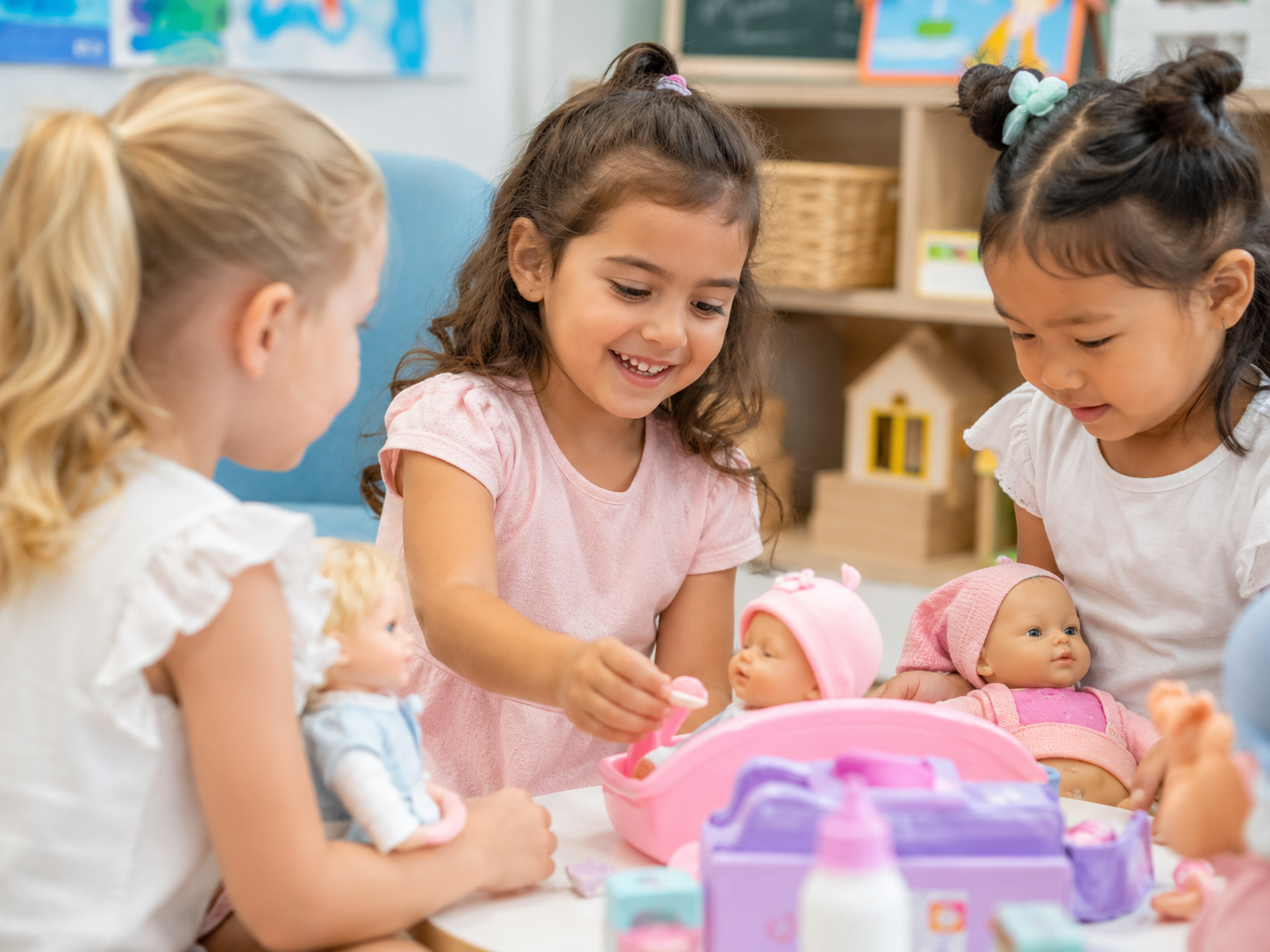
Social and Play Skills (DIR/ Floortime)
DIR/Floortime is a play-based approach that recognises that children learn best through meaningful interactions and relationships. As DIR/Floortime practitioners, our goal is to support the child’s regulation, engagement, communication, and social-emotional development. This is done by following the child’s interests, joining them in play, and creating warm, positive interactions that help them build new skills. Through these shared play experiences, children are supported to connect, communicate, problem-solve, and participate more confidently in daily life.
-

Self-care
Self-care skills refer to the everyday tasks children learn to do to look after themselves, such as dressing, brushing their teeth, toileting, grooming, and packing their belongings. These skills often begin developing from around 2–3 years of age and continue to build as children grow. When a disability affects a child’s ability to understand instructions, plan and sequence steps, stay focused, or complete tasks within a reasonable time, an OT can support skill development through structured and meaningful activities. OTs can also provide tailored strategies and learning plans to help children become more independent in their daily routines.
-

Fine Motor Skills
Fine motor skills refer to the ability to use the small muscles of the hands, fingers, and upper body to complete everyday tasks such as handwriting, tying shoelaces, packing a school bag, cutting food, and fixing hair. When difficulties are present, an OT can assess the underlying motor, physical, and perceptual factors that may be affecting performance.
-

Sensory Processing
Sensory processing refers to the brain’s ability to notice, organise, and interpret sensory information from the body and the environment. This helps a person respond to sensory input in a meaningful and functional way so they can participate in everyday activities. When a person has sensory processing difficulties, they may become overwhelmed, under-responsive, or have trouble understanding and responding to information around them. This can affect their ability to focus, regulate their emotions, and complete daily tasks.
-

Self-management Skills
Self-management skills refer to a person’s ability to organise themselves, manage their emotions, follow routines, and complete tasks with increasing independence. These skills include planning, problem-solving, time management, emotional regulation, and adapting to changes in daily activities. When a person has difficulty with self-management, they may need support to start tasks, stay focused, cope with frustration, or complete routines independently. OTs can support children by developing practical strategies, visual supports, routines, and skill-building activities to improve independence in everyday life.
-

Parent Child Relationally Informed Intervention
Parent-child relationally informed early intervention focuses on supporting a child’s development through the relationship between the child and their parent or caregiver. This approach recognises that children learn best when they feel safe, connected, and understood during everyday interactions and routines. Intervention may involve coaching parents to notice their child’s cues, respond in a supportive way, and use play-based strategies to build regulation, communication, social engagement, and independence. The goal is to strengthen the parent-child relationship while helping the child develop meaningful skills in daily life
